1. Focus on Total TimeYou can plan for any of your back-to-back races to be your
fastest, but whatever you do, you need to train for your longest race and your total race time,
Andrea Dell, RRCA-certified running coach in Charlotte, North Carolina, who has trained people for half marathons, marathons, and 100-milers, tells Runner’s World.
In fact, back-to-back race training plans typically include
long runs that go farther than your farthest race distance. For example, my longest training run was 11 miles even though my longest single race distance was 10 miles. This helps to insure that your body can handle the full
mileage of race weekend.
“One thing you have to get used to for back-to-back races is just the time on your feet,” Chris Twiggs, national training program director of
Galloway Training, tells Runner’s World. The Galloway training plan, for example, included a few weeks with four consecutive days of running various distances before taking a
rest day.
In most other ways, your back-to-back race plan will be similar to single-race plans. You should still vary your
training runs, say all the coaches. That means incorporating different efforts and types of runs, such as
fartlek,
tempo, and
intervals, says Bennett, all of which help you get
faster and more efficient.
While most of your runs should be easy and in
zone 2, intensity challenges get runners used to being uncomfortable. “I also use workouts like
progression runs to teach patience which is very important on race day,” Dell explains. During a progression run, you start with your a lower intensity pace and work your way up to harder efforts. This helps runners learn to control pacing so that they don’t get caught up in the surge at the beginning and then hit the wall halfway during the race—which can also be beneficial when running multiple races in a weekend.
2. Learn to Run on Tired LegsTypically, when you have tired legs when training for a race, you might take an extra
rest day, Mitch Strong, New York Road Runners Striders coach tells Runner’s World, but that’s not what you’ll want to do during your back-to-back events, nor during your training for them. Instead, Strong says, when running on tired legs, start your runs slowly to give your muscles a chance to warm up. Do the same thing during your races.
Because of the lack of a day off between runs, it’s especially important during back-to-back race training to learn how to take care of your whole body and mind as best as you can, Nike Running global head coach, Chris Bennett tells Runner’s World.
“Remember, races not only
fatigue you physically, they also fatigue you emotionally and mindfully,” Bennett says. “Figure out how you best recover mindfully and emotionally, too, and bring those
recovery techniques with you to the races.”
Just as you likely keep a training log, try to also keep track of different recovery strategies to find the habits that help you the most. “I recover best when I’m laughing, having a good time, and not overthinking things. So I’m going to make sure that I either have people around me that make me laugh and relax or I’m setting up situations where I know I’m going to be smiling and not focusing on the race,” Bennett says.
Over the course of your training, experiment with the full spectrum of recovery tools, such as
foam rolling,
stretching, or massage, to find out what helps you feel best after a run. Be sure you have the
postrun snacks that help replenish your energy and get you ready for your next race, too.
3. Accept Wavering Motivation and MoodSpeaking of what works best for you, understand that over the course of any given three or four days, your
mood is going to have its own rhythm. Plan for this, says Bennett. “You probably will feel unmotivated,” he says. “You’re trying to race three or four days in a row—that’s exhausting! So plan for it.”
Remember, he adds, struggling is not a sign of failure. Struggling is a sign of successfully not giving up. When you struggle, you are on the right path. In some ways, the challenge of back-to-back races is mostly in your attitude, not your pace.
Finally, know that, yes, you are taking part in one event, but it involves multiple races, and that means multiple days of gear and
fuel. This is especially true because with multiple race days, you will also experience varying weather and race conditions. So, during training try a variety of
run outfits and shoes, not to mention gels,
snacks, and
water bottles. It’s a lot to consider, and it will serve you to take notes and keep track of everything you need for each distance.
4 Strategies for Conquering Back-to-Back Races
1. Have a Plan A, B, and C“Start with asking yourself how you want to run the final race,” says Bennett. “Because if you work backward, you can best plan for the whole experience and what demands you can place on yourself early to make sure you have the best chance to do what you want to do later.”
Dell likes to remind runners that on any given day, our bodies deal differently with all the stimuli around us, including
sleep, weather, and
soreness. “When running multiple days in a row, these elements can all add up,” Dell explains. “Some days we feel strong and energetic, other days we feel cranky and not in the mood.” This is why back-to-back races are more likely to need a back-up plan. “Remember, there are no guarantees of success on the other side of any starting line. That’s where the excitement and butterflies come from the unknown that awaits you,” Bennett says. “Training and race plans are really just about trying to give yourself the best chance to succeed.”
To make sure you aren’t overly disappointed by an unexpected scenario, map out a few potential goals and strategies for the weekend so that you are prepared, not disappointed. For example, maybe you have one plan in which you PR during an early race, but take it easy during the middle race so that you have strength for the final run. Or, you could have a second plan in which you run at a steady pace for all three races, simply adjusting your paces for the distances. Finally, you could wake up on day one and say, “you know what? I’m just going to enjoy each race and take whatever comes and do my best.” Just showing up and running is an accomplishment.
2. Minimize Your Between-Race Activities Dell once coached a runner who had a great 5K on the first day of a back-to-back race series, then wore
recovery flip flops all through the Magic Kingdom and, “the next day, her legs were killing her.” If you don't train for all these
extra steps, your legs will feel it the next day.
That’s why you need to use time in the day between races to recover. Limit time on your feet during this down time, and focus on recovery practices like foam rolling and
stretching. Then, save adventures for after all your races.
Likewise, avoid tacking on the shorter race at the last minute, a common scenario for runners who want to do a
marathon or half. They train for months and just assume that it won’t be a big deal to tackle a shorter distance, such as a 5K, on the day before the race, but you may not come to your marathon as energetically as you might have. “Even walking the shorter races will cost you some energy that you might wish you had on marathon day,” says Twiggs.
3. Pick One Goal RaceIf you plan to take part in back-to-back races, pick one distance as your goal race—the one in which you want to run your best and maybe score your best time. It’s likely you will make that your longest race, but that’s not always the best strategy, says Dell. “After two days on your feet, you might be tired on your third day,” she says. “If you want to
PR, you might pick the first or middle race for that goal.”
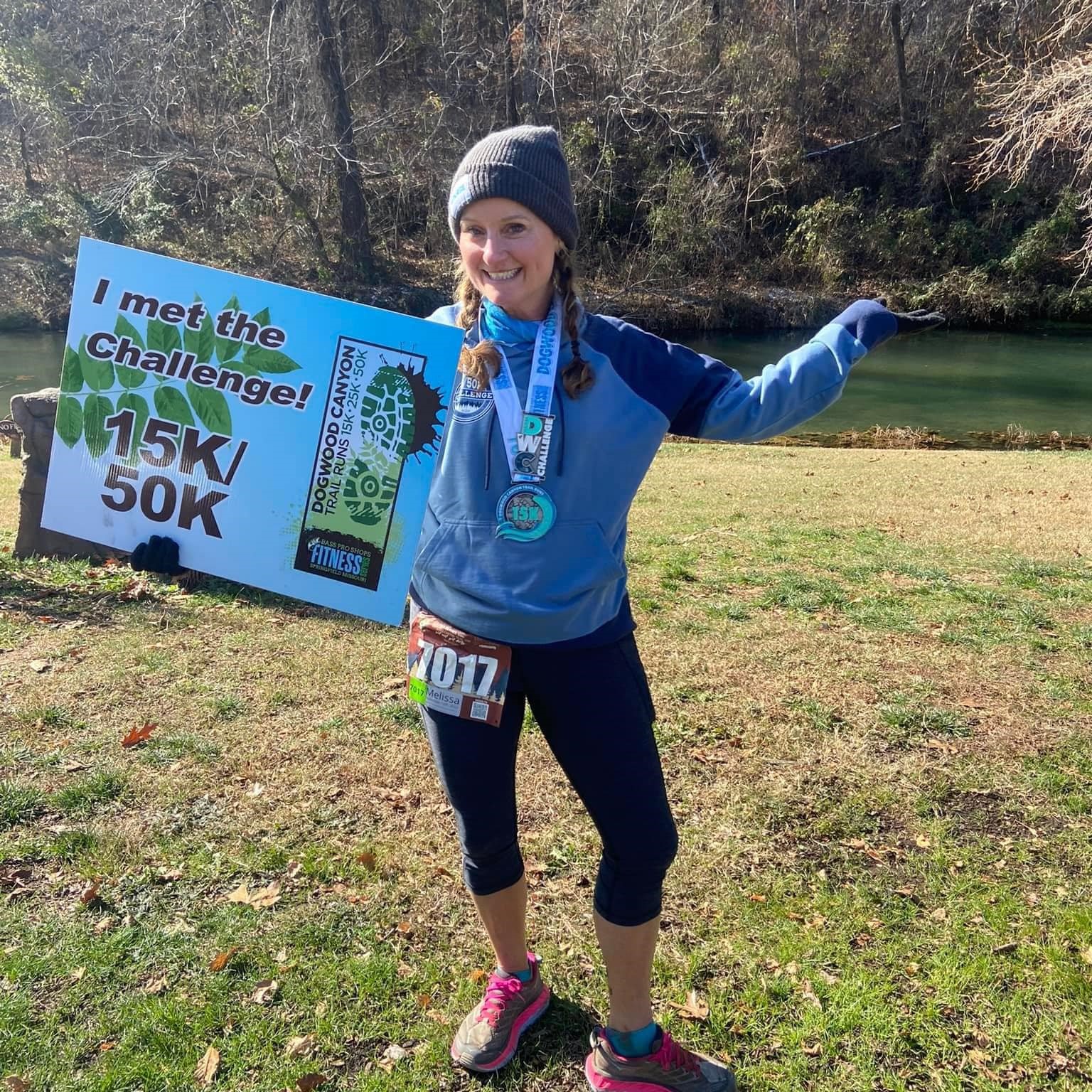
*The Dogwood 50k is my goal race so I'm thankful that it's on Saturday of the Dogwood Canyon weekend. I use Sunday's 15k as my reward race and allow myself the time to take in the beauty of the nature park while counting my blessings. And since the marathon is the weekend before the 50k, I know I can give the 26.2 mile race my all and still have time to rest and recoup for the next round of running.
4. Keep Your Postrace Goals in MindFinally, remember that life and running go on after big
challenges. Before pushing yourself through that last race, make sure you listen to your body, says Dell. “You’re doing this for fun. You don’t want to leave your last race feeling like you ran yourself into the ground,” she says.
Handling fatigue is why you may have to adjust your race paces throughout the entire weekend from what your single-race pace would be, Twiggs says. If you have a typical
half marathon pace, but are running a 5K and 10K before that, your speed will likely slow for each of those events. “Your goal is simply to finish each run with strength,” he explains, which is precisely why Twiggs, who paces marathons and competes in ultras, utilizes the
run/walk method. The short planned walks during races decreases the likelihood of exhaustion at the end of an event.
So there you have it friends. Back to back runs can be done by anyone willing to train for them. So don't be afraid to step outside of your comfort zone and attempt them. You might, like me, find that you love the extra challenge or you might find yourself overwhelmed and hang it up. But you won't know until you try, right? So get signed up for the Bass Pro Marathon/Half weekend and the Dogwood Canyon weekend today and let the training begin! Happy Running!